
Overview
Chronic hip pain can significantly restrict movement, independence, and overall quality of life. For individuals suffering from advanced hip joint damage due to arthritis, trauma, or degenerative conditions, Total Hip Replacement Surgery has emerged as one of the most effective and long-term treatment solutions. With advancements in orthopaedic technology, surgical precision, and rehabilitation protocols, modern hip replacement procedures now deliver predictable, safe, and life-changing outcomes.
At leading multi-specialty centers like Manav Hospital, total hip replacement surgery is performed using evidence-based practices, advanced implants, and patient-focused care. This article explains the key benefits of total hip replacement surgery and how it helps patients return to a pain-free, active lifestyle.

Understanding Total Hip Replacement Surgery
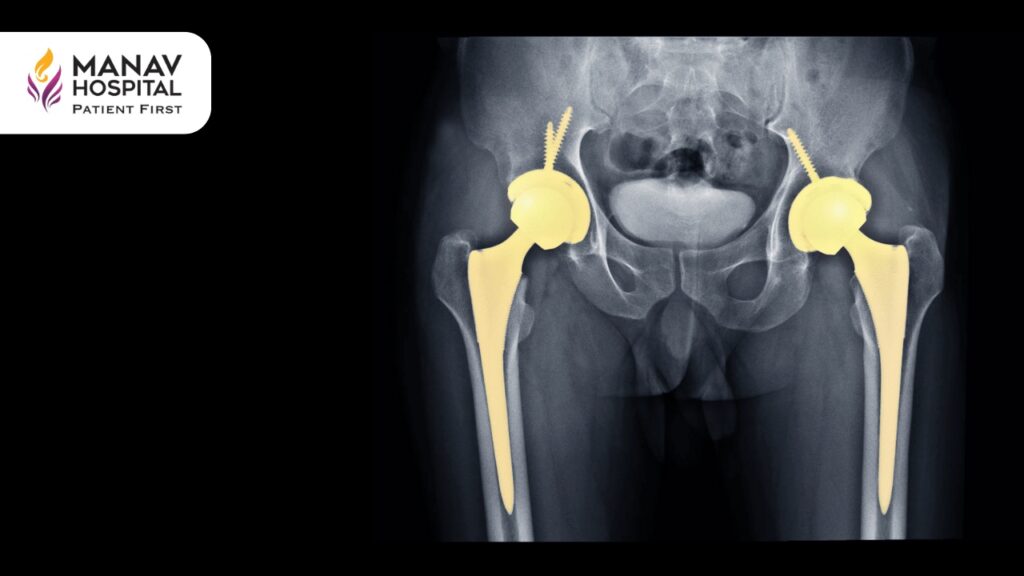
Total Hip Replacement Surgery, also known as Total Hip Arthroplasty, involves removing the damaged portions of the hip joint and replacing them with artificial components (prostheses). These components typically include:
- A metal or ceramic femoral head
- A high-grade acetabular socket
- A durable liner that allows smooth joint movement
The procedure is designed to restore normal hip function, reduce pain, and improve mobility when conservative treatments such as medication, physiotherapy, or injections fail to provide relief.
Who Needs Total Hip Replacement Surgery?
Total hip replacement is recommended for patients experiencing:
- Severe hip pain affecting daily activities
- Pain that persists during rest or sleep
- Advanced osteoarthritis or rheumatoid arthritis
- Hip joint damage due to fractures or avascular necrosis
- Reduced range of motion and joint stiffness
A detailed orthopaedic evaluation, imaging studies, and functional assessment help determine whether surgery is the most appropriate option.
Key Benefits of Total Hip Replacement Surgery
1. Long-Term Pain Relief
One of the most significant benefits of total hip replacement surgery is permanent relief from chronic hip pain. By replacing the damaged joint surfaces, the source of inflammation and friction is eliminated. Most patients report dramatic pain reduction within weeks of surgery, allowing them to perform routine activities comfortably.
2. Improved Mobility and Joint Function
Total hip replacement restores smooth movement to the hip joint. Patients often regain the ability to:
- Walk longer distances
- Sit and stand comfortably
- Climb stairs without discomfort
- Bend and rotate the hip freely
This improvement in mobility plays a critical role in restoring independence and confidence.
3. Enhanced Quality of Life
Chronic pain often affects mental health, sleep quality, and emotional well-being. After total hip replacement surgery, patients experience:
- Better sleep due to reduced pain
- Improved posture and balance
- Increased participation in social and family activities
- Overall improvement in physical and emotional health
For many patients, the surgery marks a return to an active, fulfilling lifestyle.
4. Advanced Surgical Precision and Safety
Modern total hip replacement procedures use advanced surgical techniques, including minimally invasive approaches and computer-assisted planning. These advancements allow surgeons to achieve:
- Accurate implant placement
- Better joint alignment
- Reduced tissue trauma
- Lower risk of complications
Such precision improves both short-term recovery and long-term implant performance.
5. Faster Recovery and Rehabilitation
With improvements in surgical methods and post-operative care, recovery after total hip replacement is faster than ever. Benefits include:
- Early mobilization within 24 hours
- Reduced hospital stay
- Structured physiotherapy programs
- Quicker return to daily activities
At specialized orthopaedic centers, rehabilitation protocols are customized to the patient’s age, fitness level, and overall health.
6. Long-Lasting Implant Durability
Modern hip implants are designed using high-quality materials such as ceramic, cobalt-chromium alloys, and medical-grade polyethylene. These implants offer:
- Excellent wear resistance
- High durability
- Lifespan of 15–20 years or more
With proper care and follow-up, many patients enjoy decades of improved mobility without revision surgery.
7. Reduced Dependence on Medications
Patients with advanced hip arthritis often rely heavily on painkillers and anti-inflammatory drugs, which can have long-term side effects. Total hip replacement surgery eliminates the root cause of pain, significantly reducing or eliminating the need for ongoing medication.
8. Improved Posture and Gait
Hip joint damage can alter walking patterns and posture, leading to secondary problems such as back pain or knee strain. After total hip replacement, proper joint alignment helps restore:
- Natural walking mechanics
- Balanced weight distribution
- Improved spinal posture
This contributes to overall musculoskeletal health.
Role of Rehabilitation After Total Hip Replacement
Rehabilitation is a vital component of surgical success. Post-operative physiotherapy focuses on:
- Strengthening surrounding muscles
- Improving flexibility and balance
- Preventing stiffness and blood clots
- Gradual return to normal activities
A structured rehabilitation program ensures safe recovery and optimal functional outcomes.
Why Choose a Specialized Hospital for Total Hip Replacement Surgery?
Choosing the right hospital and orthopaedic team significantly impacts surgical success. A specialized orthopaedic center offers:
- Experienced joint replacement surgeons
- Advanced operation theaters and imaging systems
- Infection-controlled surgical environments
- Comprehensive post-surgical rehabilitation
- Multidisciplinary medical support
Institutions like Manav Hospital, with decades of clinical experience and modern infrastructure, provide reliable and ethical orthopaedic care aligned with global standards.
When is the Right Time for Surgery?
Delaying total hip replacement surgery despite persistent symptoms can lead to further joint damage, muscle weakness, and reduced outcomes. Early consultation with an orthopaedic specialist is advised when:
- Pain interferes with daily life
- Mobility continues to decline
- Conservative treatments fail to provide relief
Timely intervention often results in better recovery and long-term success.
Conclusion
Total Hip Replacement Surgery is a proven, safe, and effective solution for individuals suffering from severe hip joint damage and chronic pain. With advancements in surgical techniques, implant technology, and rehabilitation care, patients can now experience faster recovery, long-lasting pain relief, and restored mobility.
At trusted multi-specialty institutions like Manav Hospital, total hip replacement surgery is delivered through a patient-first approach, combining medical expertise, modern technology, and comprehensive rehabilitation. For those seeking freedom from hip pain and a return to active living, total hip replacement surgery offers a reliable path toward a healthier and more comfortable future.
FAQs
1. How long does total hip replacement surgery take?
Ans. The procedure typically takes 1.5 to 2 hours, depending on the complexity of the case.
2. How soon can I walk after total hip replacement surgery?
Ans. Most patients begin walking with support within 24 hours under physiotherapist supervision.
3. Is total hip replacement surgery safe?
Ans. Yes, when performed by experienced orthopaedic surgeons using modern techniques, it has a high success rate and low complication risk.
4. How long do hip implants last?
Ans. Modern hip implants can last 15–20 years or longer with proper care and regular follow-up.
5. Will I need physiotherapy after surgery?
Ans. Yes, structured physiotherapy is essential for restoring strength, mobility, and long-term joint function.