
Overview
Knee pain is one of the most common orthopaedic concerns affecting people across all age groups—from sports injuries in young adults to degenerative conditions in older individuals. When knee pain begins to interfere with daily activities, consulting a knee orthopaedic surgeon becomes an important step toward accurate diagnosis and long-term relief.
For many patients, the first visit to a knee orthopaedic surgeon can feel overwhelming. Understanding what to expect during this consultation helps reduce anxiety and ensures you are well-prepared. At Manav Hospital, patients benefit from structured evaluations, evidence-based treatment planning, and care led by experienced orthopaedic specialists.
This guide explains what typically happens during your first visit to a knee orthopaedic surgeon and how it sets the foundation for effective treatment.

Who is a Knee Orthopaedic Surgeon?
A knee orthopaedic surgeon is a medical specialist trained in diagnosing and treating conditions affecting the knee joint, including bones, cartilage, ligaments, tendons, and surrounding structures. Their expertise covers both non-surgical management and advanced surgical procedures such as:
- Knee replacement surgery
- Arthroscopic knee surgery
- Ligament reconstruction (ACL, PCL)
- Meniscus repair
- Treatment of arthritis and joint degeneration
Preparing for Your First Visit
Before visiting a knee orthopaedic surgeon, it is helpful to prepare relevant information. This allows the consultation to be more focused and productive.
What You Should Bring
- Previous medical records related to knee pain
- X-rays, MRI scans, or CT reports (if available)
- List of current medications
- History of previous injuries or surgeries
- Notes on pain duration, severity, and triggers
Being prepared helps the knee orthopaedic surgeon understand your condition comprehensively from the first visit.
Step-by-Step: What Happens During the First Consultation
1. Detailed Medical History Evaluation
The first part of your visit involves a thorough discussion about your symptoms. The knee orthopaedic surgeon may ask:
- When did the knee pain start?
- Is the pain constant or activity-related?
- Do you experience swelling, stiffness, or locking?
- Does pain worsen while walking, climbing stairs, or at night?
- Have conservative treatments been tried before?
This clinical history helps identify whether the issue is degenerative, traumatic, inflammatory, or mechanical in nature.
2. Physical Examination of the Knee
A hands-on knee examination is a crucial part of the visit. The surgeon will assess:
- Knee alignment and posture
- Range of motion
- Joint stability
- Swelling or tenderness
- Muscle strength
- Gait and walking pattern
Specific orthopaedic tests may be performed to evaluate ligament integrity or cartilage damage. This physical assessment allows the surgeon to narrow down potential diagnoses.
3. Diagnostic Imaging and Investigations
Based on findings, the knee orthopaedic surgeon may recommend diagnostic tests such as:
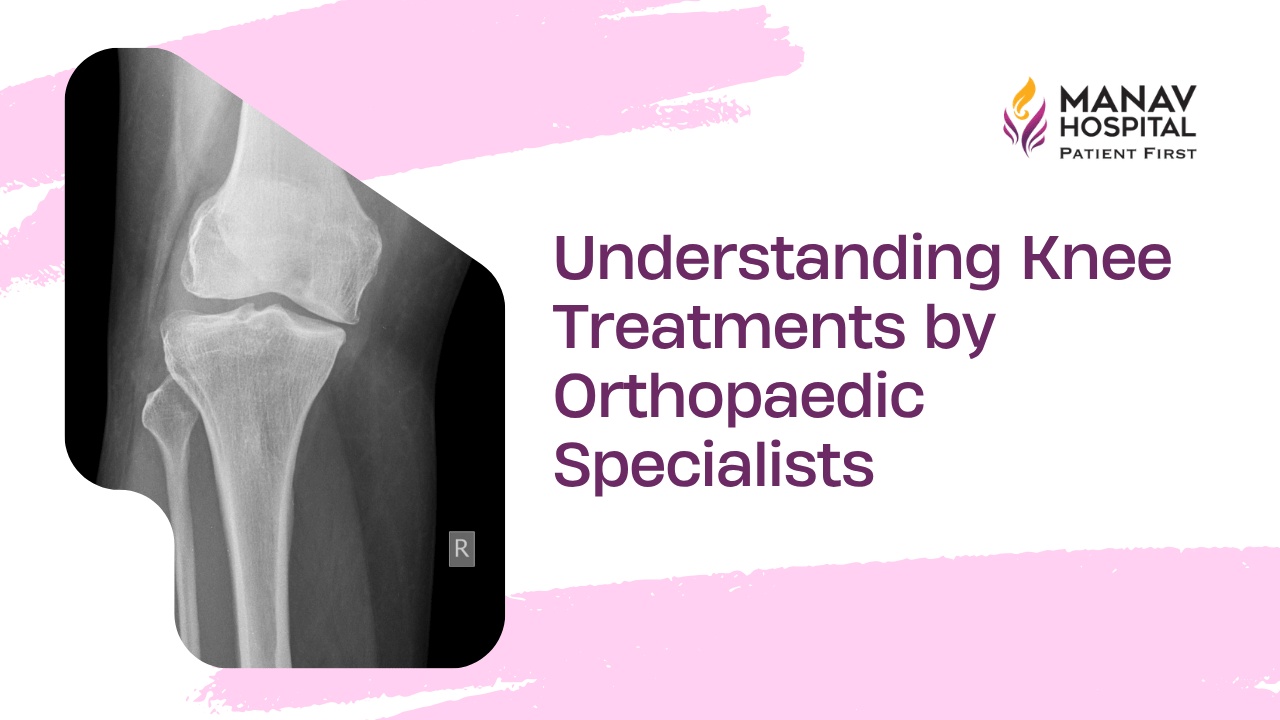
- X-rays to assess bone structure and arthritis
- MRI scans to evaluate ligaments, meniscus, and cartilage
- Blood tests if inflammatory or autoimmune conditions are suspected
At Manav Hospital, in-house diagnostic facilities ensure timely and accurate imaging, allowing for faster clinical decisions.
Understanding Your Diagnosis
After reviewing clinical findings and investigations, the knee orthopaedic surgeon explains the diagnosis in clear and understandable terms. Common conditions diagnosed include:
- Osteoarthritis of the knee
- Meniscus tear
- Ligament injuries (ACL, PCL)
- Patellofemoral disorders
- Post-traumatic knee damage
Patients are encouraged to ask questions and understand the severity, progression, and expected outcomes of the condition.
Discussion of Treatment Options
One of the most important aspects of the first visit is discussing treatment strategies. A knee orthopaedic surgeon typically recommends a stepwise approach.
Non-Surgical Treatment Options
- Activity modification
- Medications for pain and inflammation
- Physiotherapy and strengthening exercises
- Knee braces or supports
- Injections when appropriate
Many knee conditions improve significantly with conservative treatment when addressed early.
When Surgery Is Considered
If non-surgical methods fail or joint damage is advanced, the knee orthopaedic surgeon may discuss surgical options such as:
- Arthroscopic knee surgery
- Partial or total knee replacement
- Ligament reconstruction procedures
At Manav Hospital, surgical recommendations are always evidence-based and aligned with patient-specific needs and long-term joint health.
Personalized Treatment Planning
No two knees are the same. A major benefit of consulting an experienced knee orthopaedic surgeon is receiving a personalized treatment plan. Factors considered include:
- Age and lifestyle
- Activity level
- Occupation
- Overall health
- Long-term mobility goals
This individualized approach ensures optimal functional recovery and patient satisfaction.
Role of Facilities and Multidisciplinary Care
Manav Hospital offers comprehensive orthopaedic care supported by advanced infrastructure and a multidisciplinary team.
Key Support Services Include
- Modern operation theatres
- Dedicated physiotherapy and rehabilitation unit
- Pain management specialists
- Advanced imaging services
- Post-treatment follow-up protocols
This integrated approach enhances treatment accuracy and recovery outcomes.
What You Should Ask Your Knee Orthopaedic Surgeon
During your first visit, it is advisable to ask informed questions such as:
- What is the exact cause of my knee pain?
- Can my condition improve without surgery?
- What lifestyle changes should I make?
- How long will recovery take?
- What happens if treatment is delayed?
Clear communication builds trust and helps you make confident decisions about your care.
Why Choosing the Right Knee Orthopaedic Surgeon Matters
Selecting an experienced knee orthopaedic surgeon directly impacts treatment success. Expertise ensures:
- Accurate diagnosis
- Avoidance of unnecessary surgery
- Use of modern, minimally invasive techniques
- Long-term joint preservation
Manav Hospital’s orthopaedic team follows best clinical practices and international standards to deliver safe, ethical, and outcome-focused care.

Conclusion
Your first visit to a knee orthopaedic surgeon is a critical step toward understanding and managing knee pain effectively. From detailed evaluation and accurate diagnosis to personalized treatment planning, the consultation lays the groundwork for recovery and improved mobility.
At Manav Hospital, patients benefit from experienced orthopaedic surgeons, advanced diagnostics, and a structured, patient-first approach to knee care. Whether your condition requires conservative management or advanced surgical intervention, expert guidance ensures the best possible outcomes.
FAQs
1. When should I consult a knee orthopaedic surgeon?
Ans. If knee pain persists for weeks, worsens, or limits daily activities, a specialist consultation is recommended.
2. Is surgery always required for knee problems?
Ans. No. Many knee conditions respond well to non-surgical treatments when diagnosed early.
3. Will imaging be done during the first visit?
Ans. Imaging may be advised based on physical examination and symptoms.
4. How long does the first consultation take?
Ans. Typically 30–45 minutes, depending on complexity and diagnostic needs.
5. Can I continue daily activities after the visit?
Ans. Yes, unless advised otherwise. The surgeon will guide activity modification if required.