
Overview
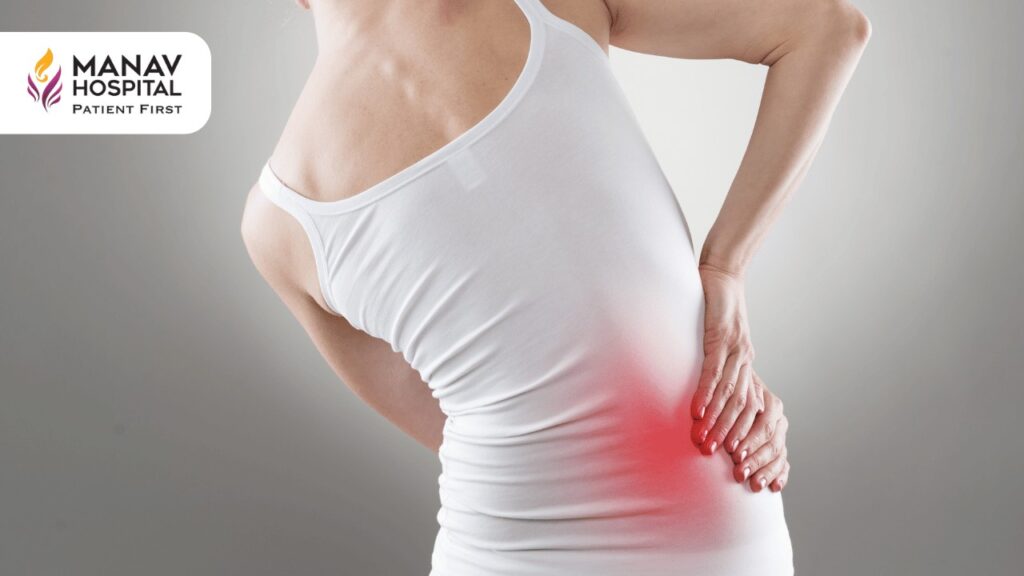
Hip pain can significantly limit mobility, independence, and quality of life. When conservative treatments such as medications, injections, or physiotherapy no longer provide relief, hip replacement surgery becomes a clinically proven and effective solution. Over the years, advancements in orthopaedic science have made hip replacement safer, more precise, and highly successful.
At Manav Hospital Ghaziabad, hip replacement surgery is performed using modern surgical techniques, advanced implants, and comprehensive rehabilitation protocols. This article explains the benefits and potential risks of hip replacement surgery, helping patients make informed, confident decisions about their orthopaedic care.
What is Hip Replacement Surgery?
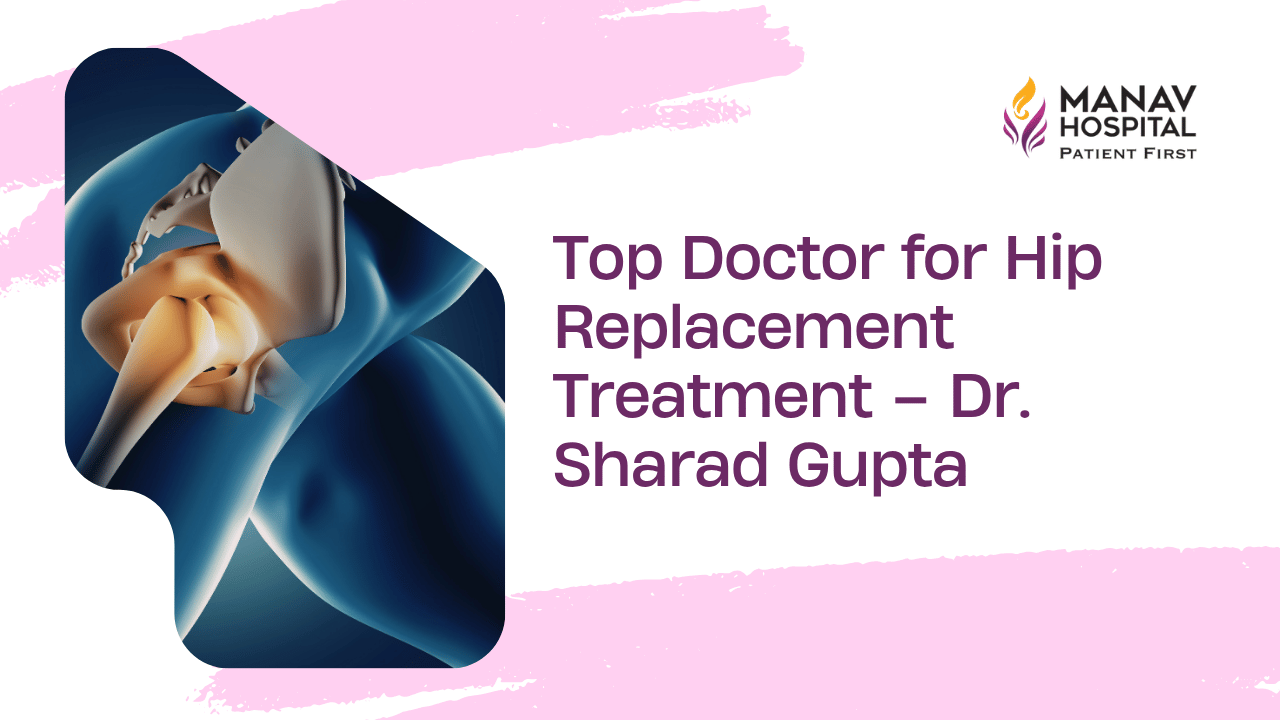
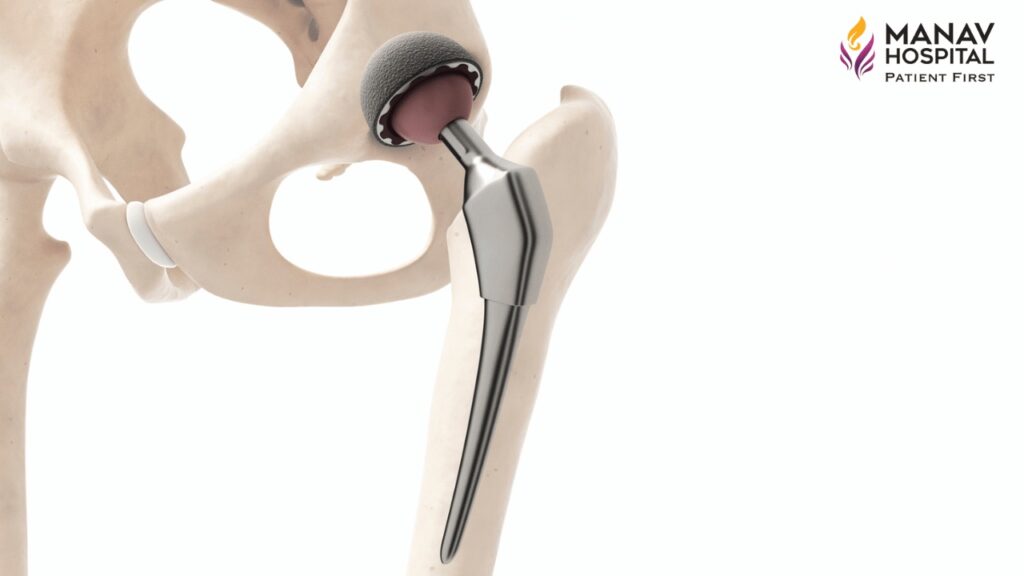
Hip Replacement Surgery, also known as Total Hip Arthroplasty (THA), involves removing the damaged portions of the hip joint and replacing them with artificial components made of metal, ceramic, or high-grade plastic. The new joint is designed to replicate natural movement while eliminating pain caused by joint degeneration.
This procedure is commonly recommended for patients suffering from:
- Osteoarthritis
- Rheumatoid arthritis
- Avascular necrosis
- Hip fractures
- Severe joint damage due to injury or aging
At Manav Hospital, each patient undergoes a thorough evaluation to determine whether a total or partial hip replacement is most suitable.
Benefits of Hip Replacement Surgery
1. Significant and Long-Term Pain Relief
The primary benefit of hip replacement surgery is relief from chronic hip pain. Damaged cartilage and bone surfaces are replaced, eliminating friction within the joint. Most patients experience dramatic pain reduction within days of surgery.
2. Improved Mobility and Joint Function
Hip replacement restores smooth joint movement, allowing patients to walk, sit, bend, and climb stairs with ease. Improved mobility helps patients return to daily activities that were previously painful or impossible.
3. Enhanced Quality of Life
Chronic hip pain often affects sleep, mental health, and independence. Post-surgery, patients commonly report:
- Better sleep quality
- Increased confidence in movement
- Improved emotional well-being
- Greater independence
At Manav Hospital, the focus is not only on surgery but on restoring overall quality of life.
4. Faster Recovery with Modern Surgical Techniques
Modern hip replacement techniques used at Manav Hospital include minimally invasive approaches, which offer:
- Smaller incisions
- Reduced muscle damage
- Less post-operative pain
- Shorter hospital stay
- Faster rehabilitation
Most patients begin assisted walking within 24–48 hours under physiotherapist supervision.
5. Long-Lasting Results
With proper implant selection and accurate placement, modern hip implants can last 15 to 20 years or longer. This makes hip replacement a durable and reliable long-term solution for severe joint problems.
6. Reduced Dependence on Pain Medications
Many patients rely on long-term painkillers before surgery. Hip replacement significantly reduces or eliminates the need for pain medications, lowering the risk of medication-related side effects.
Potential Risks of Hip Replacement Surgery
While hip replacement surgery is highly successful, it is still a major surgical procedure. At Manav Hospital, every effort is made to minimize risks through advanced technology and expert care. However, patients should be aware of possible risks.
1. Infection
Infections are rare but possible after any surgery. Manav Hospital follows strict infection-control protocols, including sterile operation theatres and post-operative monitoring, to reduce this risk significantly.
2. Blood Clots
There is a small risk of developing blood clots in the legs after surgery. To prevent this, patients receive:
- Early mobilization
- Blood-thinning medications
- Compression stockings
3. Hip Dislocation
In rare cases, the artificial joint may dislocate, especially during early recovery. Proper implant positioning, patient education, and physiotherapy help minimize this risk.
4. Implant Wear or Loosening
Over time, implants may wear or loosen, particularly with high-impact activities. Modern materials and precise surgical alignment significantly extend implant longevity.
5. Temporary Nerve or Muscle Weakness
Some patients may experience temporary weakness or numbness around the hip, which usually resolves with rehabilitation and healing.
How Manav Hospital Minimizes Surgical Risks
Manav Hospital Ghaziabad follows evidence-based orthopaedic protocols to ensure patient safety and optimal outcomes:
- Detailed pre-surgical evaluation
- Advanced imaging for surgical planning
- Experienced orthopaedic surgeons
- Modern anesthesia techniques
- Structured post-operative rehabilitation
Every patient receives personalized care based on age, medical history, bone quality, and activity level.
Who is an Ideal Candidate for Hip Replacement Surgery?
Hip replacement surgery may be recommended if you experience:
- Persistent hip pain affecting daily life
- Pain while resting or sleeping
- Limited joint movement or stiffness
- Difficulty walking or standing
- No improvement with non-surgical treatments
An orthopaedic consultation at Manav Hospital helps determine the most appropriate treatment plan.
Recovery and Rehabilitation
Recovery plays a vital role in the success of hip replacement surgery. At Manav Hospital, rehabilitation includes:
- Supervised physiotherapy
- Strength and flexibility exercises
- Gait training
- Regular follow-up assessments
Most patients resume routine activities within 4–6 weeks, with continued improvement over the following months.
Why Choose Manav Hospital for Hip Replacement Surgery?
Manav Hospital is a trusted name in orthopaedic care due to:
- Highly experienced orthopaedic surgeons
- Advanced surgical infrastructure
- Dedicated physiotherapy and rehabilitation unit
- Comprehensive pre- and post-operative care
- Ethical, patient-focused treatment approach
With decades of medical excellence, Manav Hospital continues to deliver reliable outcomes in joint replacement surgery.
Conclusion
Hip replacement surgery is a life-changing procedure for patients suffering from chronic hip pain and mobility limitations. While there are potential risks, modern surgical techniques, expert orthopaedic care, and advanced rehabilitation have made hip replacement a safe and highly effective solution. At Manav Hospital Ghaziabad, patients benefit from evidence-based treatment, precision surgery, and compassionate post-operative care.
FAQs
1. Is hip replacement surgery safe?
Ans. Yes, with modern techniques and experienced surgeons, hip replacement surgery has a high success rate.
2. How long does hip replacement recovery take?
Ans. Most patients recover within 6–8 weeks, with full improvement over 3–6 months.
3. Will I be able to walk normally after surgery?
Ans. Yes, most patients regain normal walking ability with proper rehabilitation.
4. How long do hip implants last?
Ans. Modern hip implants can last 15–20 years or longer with proper care.
5. Is physiotherapy necessary after hip replacement?
Ans. Yes, physiotherapy is essential for restoring strength, balance, and joint function.