Overview
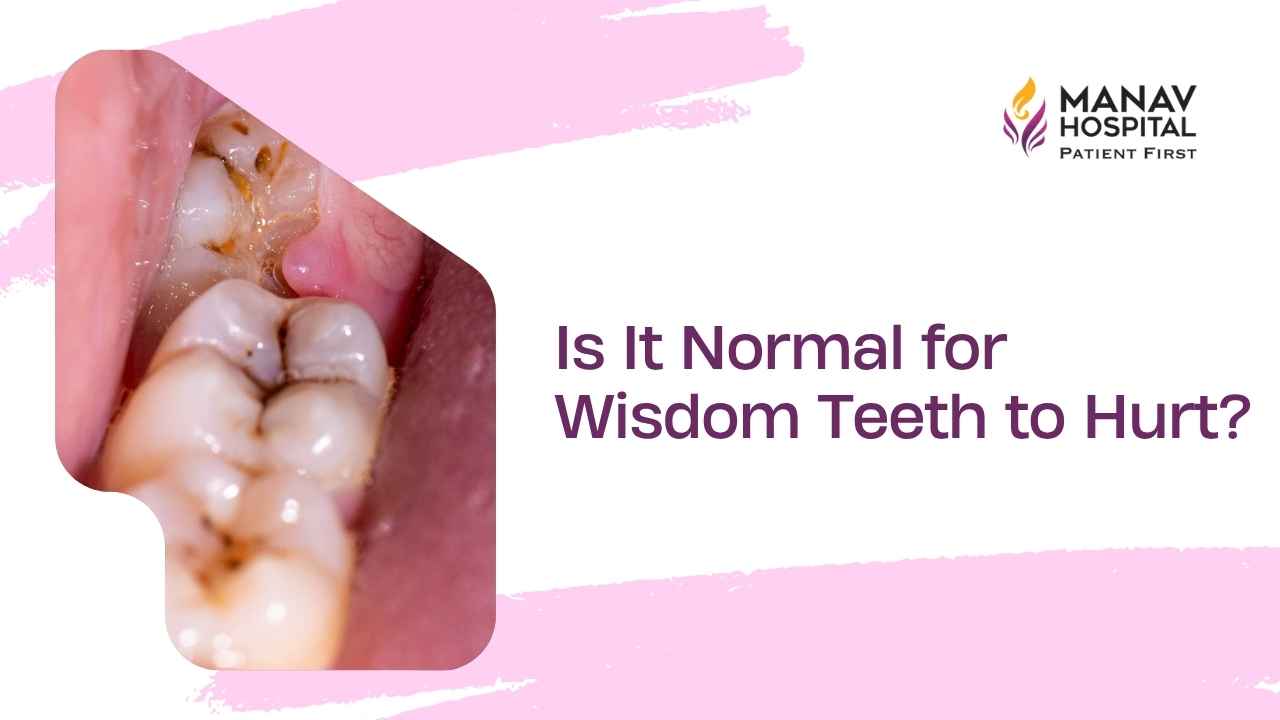
Some wisdom tooth pain is genuinely normal, a dull ache as the tooth pushes through the gum, gone within a few days. Other wisdom tooth pain is a sign that something is actually wrong and needs attention before it gets worse. The tricky part is that both can feel similar at first, which is why so many people wait far too long to get it checked, hoping it resolves on its own the way the first kind does. If the discomfort keeps returning or gets progressively worse, understanding Wisdom Tooth Removal in Ghaziabad options sooner rather than later usually saves a lot of unnecessary discomfort.
At Manav Hospital’s dental department, Dr. Kanika Gupta evaluates wisdom tooth pain through imaging before deciding whether removal is actually necessary or whether the discomfort will settle naturally.
What Makes Wisdom Tooth Pain Normal vs Concerning?
Key differences worth knowing:
● Normal eruption discomfort tends to be mild, temporary, and localised to the back of the jaw
● Pain that worsens over days rather than easing usually signals a problem beyond normal eruption
● Swelling, bad taste, or difficulty opening the mouth point toward infection or impaction
● Pain that radiates toward the ear or jaw joint is often a sign the tooth is impacted at an angle
Mild, short-lived discomfort during eruption is common and often needs no intervention. Worsening or spreading pain is the signal that something needs a proper look.
Meet Dr. Kanika Gupta – Dental Surgeon for Wisdom Tooth Removal in Ghaziabad
Patients dealing with wisdom tooth pain want a dentist who confirms through imaging whether removal is actually necessary, rather than recommending extraction by default.
Professional Highlights:
● Dental Surgeon at Manav Hospital, Ghaziabad
● Experience managing both surgical and non-surgical wisdom tooth cases
● Master’s degree in dental surgery with a restorative specialisation
● Life member of the Indian Society of Oral Implantologists (ISOI)
Patients often mention that Dr. Kanika Gupta took the time to review their X-ray in detail before recommending extraction, rather than assuming every wisdom tooth needs to come out.
Why Wisdom Teeth Cause Problems in the First Place
1. Limited Space in the Jaw
Most jaws simply don’t have enough room for a third set of molars, which forces the tooth to grow at an angle or stay partially trapped under the gum.
2. Partial Eruption
A tooth that only partially breaks through the gum creates a flap where food and bacteria can collect, leading to recurring infection.
3. Impaction Against Neighbouring Teeth
When a wisdom tooth grows sideways, it can push against the molar next to it, causing pain, crowding, and sometimes damage to the adjacent tooth.
4. Cyst Formation
In less common cases, an impacted wisdom tooth can lead to cyst formation around it, which is why imaging matters even for teeth that aren’t currently painful.
Why Choose Manav Hospital for Wisdom Tooth Removal in Ghaziabad?
Key advantages:
● Imaging-based evaluation before recommending extraction
● Experience with both simple and surgically impacted wisdom tooth cases
● Access to aligners and braces consultation if crowding is a related concern
● A conservative approach that avoids unnecessary extractions
● Continuity of dental care under the same clinic for any follow-up needs
A dentist who explains exactly what the X-ray shows before recommending removal gives patients a genuine reason to trust the recommendation.
Signs Your Wisdom Tooth Needs Attention
Book a consultation if you notice:
● Pain that worsens over several days instead of easing
● Swelling or tenderness in the gum at the back of the jaw
● A bad taste or odour that keeps returning near the back molars
● Difficulty fully opening your mouth
● Pain that spreads toward the ear or jaw joint
Persistent or worsening symptoms, rather than a single day of mild discomfort, are what actually indicate the tooth needs proper evaluation.
Step-by-Step Wisdom Tooth Evaluation Journey
1. Initial Consultation and X-Ray
The tooth’s position, angle, and any signs of infection or impaction are assessed through imaging.
2. Decision on Removal
Based on the imaging, extraction is either recommended or ruled out if the tooth isn’t causing genuine problems.
3. Local Anaesthesia
If extraction is agreed upon, the area is fully numbed before the procedure begins.
4. Extraction
The tooth is removed, with technique varying depending on whether it’s fully erupted or impacted.
5. Aftercare Guidance
Clear instructions are given for managing swelling, diet, and healing over the following days.
Benefits of Timely Wisdom Tooth Evaluation
✔ Prevents recurring infections around a partially erupted tooth
✔ Avoids unnecessary crowding or damage to neighbouring molars
✔ Catches cyst formation early in impacted cases
✔ Provides clarity on whether removal is genuinely needed or not
✔ Resolves persistent pain that home remedies can’t actually fix
Getting wisdom tooth pain evaluated early usually means a simpler procedure and a much shorter recovery than waiting until infection sets in.
Recovery After Wisdom Tooth Removal
What recovery typically involves:
● Mild swelling and discomfort for the first two to three days
● Soft foods recommended while the extraction site heals
● Prescribed medication used as directed to manage discomfort
● Avoiding straws and vigorous rinsing in the first 24 hours to protect healing
● Follow-up visit if the extraction was surgically complex
Most patients recover within a week, with simple extractions healing faster than surgically impacted cases.
Why Ghaziabad Patients Choose Manav Hospital for Wisdom Tooth Removal
● Imaging-based evaluation before any extraction is recommended
● A dental team experienced with both routine and impacted wisdom tooth cases
● A conservative approach that doesn’t default to removal unnecessarily
● Continuity of care for related dental work like crowns and bridges if needed
● Clear aftercare guidance to support smooth recovery
Wisdom tooth pain doesn’t have to mean automatic removal. It means getting a proper look at what’s actually happening underneath the gum.
Conclusion
Some wisdom tooth discomfort really is normal and passes on its own. But pain that worsens, spreads, or keeps returning is the body signalling that something needs attention. Dr. Kanika Gupta and the dental team at Manav Hospital use imaging to tell the difference clearly, rather than recommending removal as a default response to every complaint.
For questions about wisdom tooth pain, email info.manavhospital@gmail.com or call +91-9718942666. Follow dental care updates on Instagram and YouTube.
Book your wisdom tooth evaluation with Manav Hospital here.
FAQs
Is it normal for wisdom teeth to hurt when they’re coming in?
Mild, short-lived discomfort during eruption is common. Pain that worsens over several days or comes with swelling usually signals a problem needing evaluation.
Do all wisdom teeth need to be removed?
No. If a wisdom tooth is fully erupted, properly aligned, and not causing infection or crowding, it may not need removal at all.
What happens if an impacted wisdom tooth is left untreated?
It can lead to recurring infections, damage to neighbouring teeth, or in rarer cases, cyst formation around the impacted tooth.
How painful is wisdom tooth removal?
The procedure itself is performed under local anaesthesia, so patients don’t feel pain during extraction. Mild soreness for a few days afterward is normal.
How long does recovery take after wisdom tooth removal?
Most patients recover within a week for simple extractions. Surgically impacted cases may take slightly longer to heal fully.