
Overview
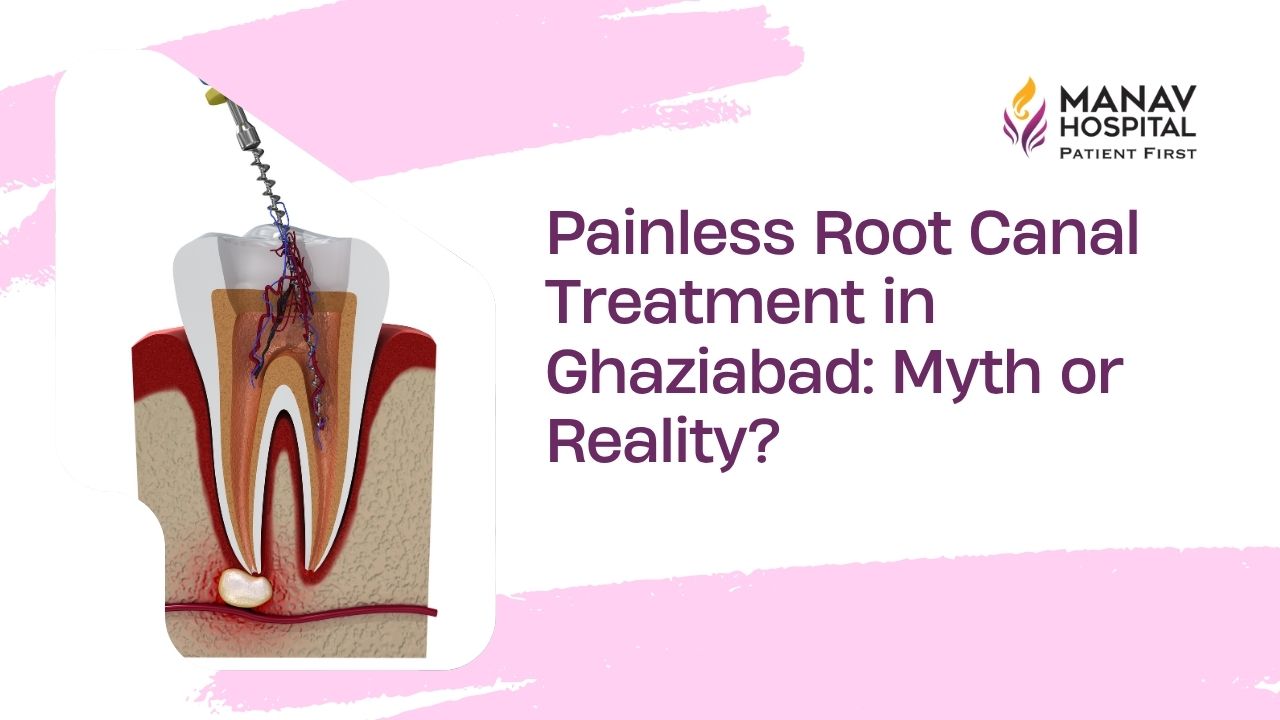
The word root canal still makes most people grimace, even patients who’ve never had one. That reaction comes almost entirely from reputation, specifically the reputation the procedure had decades ago before modern anaesthesia, rotary instruments, and digital imaging changed what the experience actually feels like. Most patients who’ve had a root canal in a well-equipped clinic in recent years report that the procedure itself was far less uncomfortable than the infected tooth that sent them there in the first place. Before fear becomes the reason someone delays necessary treatment, consulting a dental specialist for root canal treatment in Ghaziabad who explains what the modern procedure actually involves is a far more useful first step than avoiding the conversation entirely.
Among the trusted names in this space, Dr. Kanika Gupta at Manav Hospital approaches root canal treatment with rotary endodontic technique and proper anaesthesia, making the procedure genuinely more comfortable than the reputation it carries.
What Does a Root Canal Specialist Do?
Core responsibilities include:
• Confirming through imaging that the tooth pulp is infected or inflamed
• Administering local anaesthesia to ensure a comfortable procedure
• Using rotary instruments to clean and shape the canal efficiently
• Sealing the cleaned canal to prevent reinfection
• Recommending a crown to protect the treated tooth long-term
A specialist who uses rotary endodontic technique and proper anaesthesia makes the procedure experience fundamentally different from what older accounts describe.
Meet Dr. Kanika Gupta – Trusted Root Canal Specialist in Ghaziabad
Patients dreading root canal treatment want a dentist who acknowledges the fear directly and explains what modern techniques have actually changed, rather than offering generic reassurance.
Professional Highlights:
• Dental Surgeon at Manav Hospital, Ghaziabad
• Skilled in rotary endodontics and painless root canal therapy
• Master’s degree in dental surgery with restorative specialisation
• Life member of the Indian Society of Oral Implantologists (ISOI)
• A patient-education-first approach that addresses fear before treatment begins
Patient experiences and smile outcomes are shared on the clinic’s YouTube channel and Instagram.
Why Root Canal Has a Pain Reputation That No Longer Fits
1. What Root Canal Used to Feel Like
Older root canal procedures involved less effective anaesthesia, manual instruments that took longer and caused more tissue irritation, and fewer imaging tools to plan the canal structure accurately.
2. What Rotary Endodontics Changed
Modern rotary instruments complete the cleaning and shaping phase faster and with less mechanical stress on surrounding tissue, offering:
• A significantly shorter procedure time than manual technique
• Reduced canal wall irritation during cleaning
• More consistent results across complex canal structures
• A faster return to normal eating than older technique allowed
3. What Local Anaesthesia Actually Achieves
Properly administered local anaesthesia means patients feel pressure and movement during the procedure, but not sharp pain. The distinction matters because most fear comes from expecting pain that modern anaesthesia prevents.
4. When the Tooth Itself Is the Real Source of Pain
An infected or inflamed pulp causes throbbing, temperature sensitivity, and spontaneous pain that root canal treatment actually resolves. Most patients report that the days before treatment were more uncomfortable than the procedure itself.
Why Choose Manav Hospital for Root Canal Treatment in Ghaziabad?
Key advantages:
• Rotary endodontic technique for a faster, less invasive procedure
• Proper local anaesthesia administered before any instrumentation begins
• Digital imaging for accurate canal mapping before treatment
• A patient-education approach that addresses fear before the first appointment
• Both root canal and crown placement available under one roof
A clinic that explains what modern root canal actually involves, rather than simply reassuring patients it won’t hurt, gives patients a far more confident reason to proceed.
Signs You May Need Root Canal Treatment
Consider a consultation if you experience:
• Persistent throbbing pain in a specific tooth
• Sensitivity to hot or cold that lingers well after the stimulus is removed
• Visible swelling or tenderness in the gum near a tooth
• A tooth that has noticeably darkened compared to its neighbours
• A bad taste that keeps returning without an obvious source
• Pain that worsens when lying down
Dr. Kanika Gupta evaluates each of these signs through imaging before confirming whether root canal treatment is the appropriate next step.
Step-by-Step Root Canal Journey
1. Initial Consultation and Imaging
X-rays confirm whether the pulp is infected or inflamed and map the canal structure.
2. Local Anaesthesia
The area is fully numbed before any instrumentation begins.
3. Cleaning and Shaping
Rotary instruments remove the infected pulp and clean the canal efficiently.
4. Sealing
The cleaned canal is sealed with a temporary or permanent filling.
5. Crown Placement
A crown is recommended to protect the treated tooth from fracture under normal chewing pressure, available through the clinic’s crown and bridges service.
Benefits of Modern Root Canal Treatment
✔ Saves the natural tooth rather than extracting it ✔ Resolves the infection and pain causing the original discomfort ✔ Modern rotary technique makes the procedure faster and more comfortable ✔ Proper anaesthesia prevents sharp pain throughout ✔ A crown afterward protects the tooth for years
Most patients describe their root canal experience as significantly less uncomfortable than the infected tooth that preceded it.
Recovery and Aftercare: The Key to Success
Post-treatment care includes:
• Avoiding heavy chewing on the treated tooth for the first day or two
• Taking any prescribed medication as directed for the first few days
• Attending the crown placement appointment within the recommended timeframe
• Continuing normal brushing and flossing around the treated tooth
• Reporting any unusual pain or swelling promptly
Most patients resume normal eating within a few days, with the crown fully settling in over the following weeks.
Why Ghaziabad Patients Choose Manav Hospital for Root Canal
• Rotary endodontic technique for a faster, less invasive experience
• Proper anaesthesia administered before any instrumentation begins
• Digital imaging for accurate pre-treatment planning
• A dentist who addresses fear directly before treatment begins
• Crown placement available in the same clinic after treatment is complete
This combination of modern technique and patient-first communication is what makes the root canal experience at Manav Hospital genuinely different from the reputation the procedure carries.
Conclusion
Painless root canal treatment in Ghaziabad is not a marketing claim — it’s an accurate description of what modern rotary endodontic technique and proper anaesthesia actually deliver. Dr. Kanika Gupta and the dental team at Manav Hospital approach every root canal case with the same goal: making the procedure experience far less memorable than the infected tooth that made it necessary.
For questions about the procedure or to address any specific fears before booking, email info.manavhospital@gmail.com or call +91 97189 42666.
Take the first step toward pain-free dental treatment and book a consultation here.
Frequently Asked Questions
Is painless root canal treatment actually possible in Ghaziabad?
Yes. Modern rotary endodontic technique and proper local anaesthesia make root canal treatment genuinely comfortable at Manav Hospital. Follow patient experiences on Instagram.
What makes modern root canal different from older procedures?
Rotary instruments, better anaesthesia, and digital imaging have fundamentally changed the procedure experience compared to what older accounts describe.
Will I feel pain during the procedure?
With proper local anaesthesia, patients feel pressure and movement but not sharp pain. The anaesthesia is administered before any instrumentation begins.
How long does a root canal procedure take?
With rotary endodontic technique, most single-canal procedures are completed in one session. Multi-canal teeth may require a second visit.
Do I need a crown after root canal treatment?
Most dentists recommend a crown to protect the treated tooth from fracture under normal chewing pressure, especially for back teeth bearing significant bite force.